Transhuman Techs Gigawatt Gas Thirst
The shimmering promise of transhumanism – enhanced intelligence, augmented reality, and even digital immortality – often conjures images of sleek, futuristic technologies powered by equally advanced, clean energy sources. Yet, beneath the polished surfaces of our most sophisticated digital infrastructures lies a paradox: a ravenous hunger for power that is increasingly being fed by one of the oldest and most impactful energy sources – natural gas. Our collective pursuit of technological transcendence is driving an unprecedented boom in gas projects, highlighting a critical tension between our digital aspirations and our planet's ecological well-being.
This article delves into the escalating energy demands of the digital world, focusing on the startling growth of gas infrastructure explicitly linked to data centers. It explores the reasons behind this reliance, its environmental implications, and the urgent need for sustainable solutions if the promise of transhumanism is to be realized without devastating our world.
The Unseen Engine: Data Centers and Their Insatiable Demands
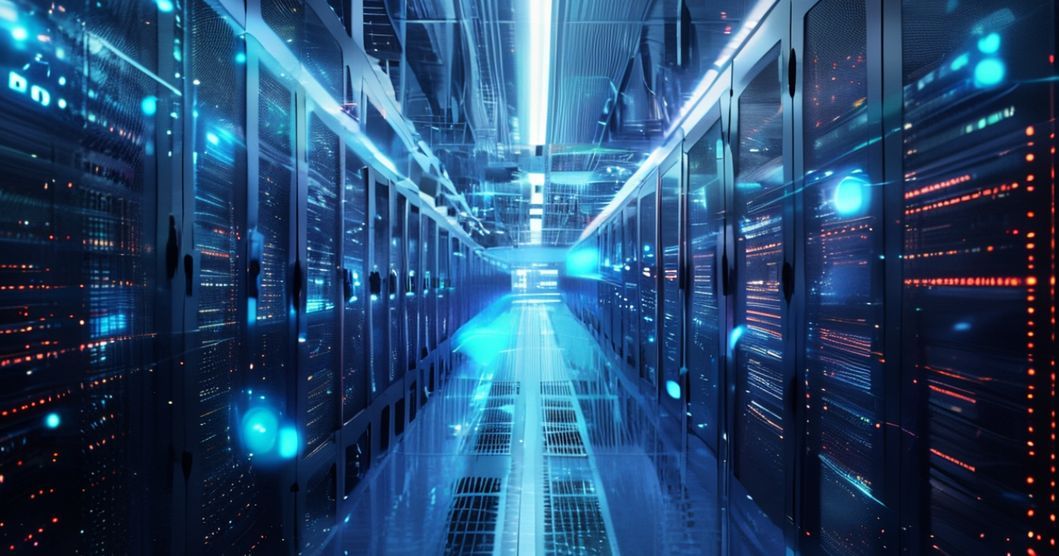
Every Google search, every streamed 4K movie, every complex AI model being trained, and every transaction on a blockchain network relies on a vast, unseen global infrastructure: data centers. These aren't just single buildings; they are colossal complexes, often spanning acres, housing millions of servers, storage devices, and networking equipment. They are the beating heart of the digital age, enabling cloud computing, the metaverse, smart cities, and the very foundation of artificial intelligence.
The operational demands of these digital cathedrals are staggering. Beyond the raw processing power of servers, massive amounts of energy are required for cooling systems to prevent overheating, for uninterruptible power supplies (UPS), and for extensive backup generators. As our digital lives expand, and as AI becomes more pervasive, the energy footprint of these data centers grows exponentially. The dream of human enhancement through technology, from neural implants to genetic editing, invariably relies on the computational muscle these centers provide.
The Gigawatt Gas Thirst: Quantifying the Boom
Recent research from Global Energy Monitor casts a stark light on this accelerating trend. Their findings reveal a staggering statistic: **gas projects in the US pipeline explicitly linked to data centers increased by almost 25 times over the past two years.** This isn't just a minor uptick; it's a dramatic escalation signaling a profound shift in how we power our digital future.
To put this into perspective, we're talking about gigawatts of power – enough to fuel small cities. The expansion is driven by a confluence of factors, including the rapid deployment of AI, which requires immense computational resources, and the general acceleration of digital transformation across all sectors. This surge in demand has caught energy grids off guard, leading to the construction of new gas-fired power plants designed specifically to cater to these data center behemoths.
Why Natural Gas? The Immediate Solution
Why this pivot to natural gas, especially in an era advocating for renewable energy? The answer lies in its reliability, availability, and relative cost-effectiveness, at least in the short term.
* **Reliability:** Data centers require a constant, uninterrupted power supply. Intermittent renewables like solar and wind, while growing, often necessitate backup solutions, and natural gas plants can be quickly brought online to meet fluctuations in demand or grid instability.
* **Availability:** The US has abundant natural gas reserves, making it a readily accessible fuel source for new power generation.
* **Cost-effectiveness:** While renewable energy costs are falling, the initial capital investment and the need for storage solutions can sometimes make gas a more immediately attractive option for rapid deployment, especially when power demand is skyrocketing.
This reliance on natural gas serves as a "bridging fuel" for the digital infrastructure, allowing for rapid expansion even as the long-term goal of fully green data centers remains in sight. However, the scale of this "bridge" is becoming a significant concern.
Transhumanism's Energy Dilemma: A Philosophical Perspective
The transhumanist vision champions the use of technology to overcome fundamental human limitations, promising longer lifespans, enhanced cognitive abilities, and even the potential for digital consciousness. But this grand aspiration, rooted in scientific and technological advancement, faces a profound ethical and practical dilemma when confronted with its material reality: a colossal energy footprint.
If the future of humanity involves widespread bio-engineering, brain-computer interfaces, ubiquitous AI assistants, and perhaps even vast simulated realities, the computational power required will be immense. Can we truly transcend our biological constraints if the very act of doing so accelerates environmental degradation? Is a "smart" or "augmented" planet truly smart if it's powered by fossil fuels that contribute to climate change and resource depletion?
The philosophical core of transhumanism often focuses on the individual's potential, but it must also grapple with the collective responsibility to ensure that this progress is sustainable. The dream of digital immortality or cognitive enhancement loses much of its appeal if the physical world it depends on is rendered uninhabitable.
The Environmental Imperative: Addressing the Carbon Footprint
Natural gas, while often touted as a cleaner alternative to coal, is still a fossil fuel. Its extraction, transportation, and combustion release methane and carbon dioxide – powerful greenhouse gases that contribute significantly to climate change. The enormous increase in gas projects explicitly linked to data centers means a corresponding increase in carbon emissions, potentially undermining global efforts to meet climate targets.
Tech giants, often at the forefront of innovation, bear an ethical responsibility to address their environmental impact. As the architects of the digital future, they must prioritize sustainable practices. The push for **decarbonization** of digital infrastructure is no longer a niche concern but a mainstream imperative. Ignoring this gigawatt gas thirst would be a critical oversight, casting a long, unsustainable shadow over our technologically advanced future.
Beyond the Grid: Localized Power Solutions
A worrying trend is the increasing development of on-site gas-fired power plants specifically dedicated to powering data centers. This model offers several advantages to data center operators: bypassing grid congestion, ensuring highly reliable power, and often providing more predictable costs. However, it also decentralizes fossil fuel consumption, potentially making it harder to track and regulate the cumulative environmental impact. While offering operational efficiency for the data center, it further entrenches reliance on fossil fuels outside of the traditional utility framework.
Innovating Towards a Sustainable Future: Solutions and Hope
The good news is that the tech industry is not oblivious to this challenge. Significant efforts are underway to mitigate the **energy consumption** of data centers and shift towards more sustainable sources.
Renewable Energy Integration
Many leading tech companies are committing to 100% renewable energy targets for their data center operations. This involves direct procurement from solar farms, wind parks, and geothermal plants. Innovation in energy storage, such as advanced battery technology, is also crucial to make these intermittent sources more reliable.
Energy Efficiency
Continuous advancements in hardware design, cooling technologies (like liquid immersion cooling), and AI-optimized power management systems are drastically improving the energy efficiency of data centers. Even minor improvements across millions of servers can lead to substantial energy savings.
Nuclear Power: A Potential Baseload Solution
The conversation around nuclear power, particularly Small Modular Reactors (SMRs), is re-emerging as a potential clean baseload energy source for data centers. SMRs offer the promise of high-density, carbon-free power generation that could be located closer to demand centers.
Policy and Investment
Government incentives for green tech, corporate responsibility initiatives, and the growth of green bonds are channeling investments towards sustainable digital infrastructure. Collaboration between energy providers, tech companies, and policymakers is vital to accelerate this transition.
Rethinking Data Itself
Perhaps the most profound shift could come from rethinking our relationship with data. Can we optimize algorithms to be less energy-intensive? Can we develop more efficient ways to store and retrieve information? The future of data may not just be about more processing power, but smarter, more energy-conscious processing.
Conclusion
The "Transhuman Techs Gigawatt Gas Thirst" represents a critical juncture in our technological evolution. The very tools designed to elevate humanity and extend our capabilities are currently tethered to an energy source that poses a significant threat to our planet's long-term viability. The staggering increase in gas projects linked to data centers is a wake-up call, demanding that we reconcile our futuristic ambitions with our earthly responsibilities.
Achieving the promise of transhumanism and truly advanced technology demands more than just innovation in AI or bio-engineering; it requires a profound commitment to sustainable energy. The future of humanity and its technological destiny is inextricably linked to the health of our planet. The gigawatt gas thirst must evolve into an insatiable demand for truly clean, limitless power, ensuring that our ascent into a technologically enhanced future does not come at the irreparable cost of the world we call home.
