Uncanny Valley: Iran's Cyber Wars, Election AI, and Crypto's Flop
In an era where the lines between the digital and the physical blur, we find ourselves navigating an "Uncanny Valley" – a space where technological advancements are simultaneously familiar and deeply unsettling. This discomfort isn't confined to humanoid robots; it permeates our geopolitical landscape, our democratic processes, and even the future of finance. From the escalating cyber threats emanating from nation-states like Iran to the covert influence of Artificial Intelligence in our elections and the tumultuous ride of cryptocurrencies, the digital frontier presents both unprecedented opportunities and profound vulnerabilities. This article delves into these critical intersections, exploring how these technological forces shape our world and challenge our understanding of security, truth, and human agency in the 21st century.
The Shadow War: Iran's Digital Offensive on US Tech
The geopolitical chessboard has long expanded into cyberspace, and Iran has emerged as a significant player. Its capabilities in digital warfare have grown sophisticated, moving beyond mere nuisance to pose substantial threats to global infrastructure and national security. The focus often falls on US tech firms, which represent a rich target for espionage, sabotage, and the projection of power.
Escalating Threats and Vulnerabilities
For years, Iran has been linked to a series of cyberattacks targeting critical infrastructure, financial institutions, and government agencies across the globe. These operations range from denial-of-service attacks that disrupt online services to sophisticated malware campaigns designed to steal sensitive data or disable systems. The motivations are varied: geopolitical leverage, retaliation for sanctions, intelligence gathering, and even economic disruption. Recent intelligence suggests an intensification of these threats, with Iranian state-sponsored actors specifically targeting US tech firms. These firms, often repositories of vast amounts of data, intellectual property, and critical operational technologies, present irresistible targets. A successful breach could lead to massive data theft, supply chain compromises, and the erosion of trust in the very digital tools that underpin modern society. The potential for these attacks to escalate into broader international incidents underscores the urgent need for robust cybersecurity defenses and proactive threat intelligence.
The Uncanny Valley of Digital Trust
The concept of the "Uncanny Valley" traditionally describes the unsettling feeling we get from robots or simulations that are almost, but not quite, human. In the context of cyber warfare, this sensation translates into a pervasive erosion of digital trust. When advanced AI-driven deepfakes can fabricate convincing video and audio, or when sophisticated phishing campaigns are indistinguishable from legitimate communications, our ability to discern truth from deception is profoundly challenged. Iran's cyber activities, like those of other hostile nation-states, exploit this digital "Uncanny Valley." By seeding misinformation, manipulating data, or creating plausible but false narratives, they aim to sow discord, undermine public confidence, and influence decision-making. This psychological warfare, executed through digital means, leaves us in an unsettling state where what we perceive as real might be a meticulously crafted illusion, shaking the very foundations of our online interactions and information consumption.
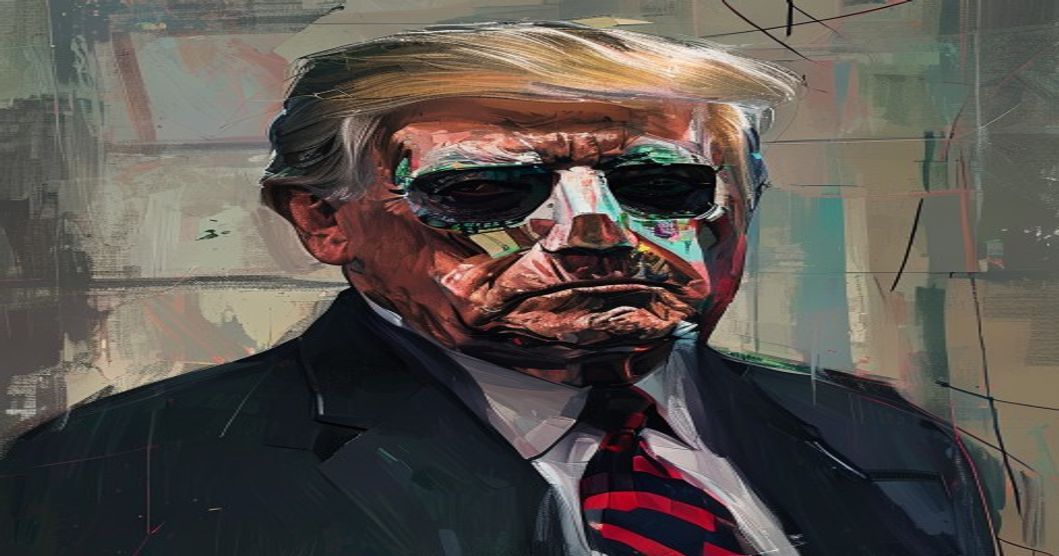
AI in the Crucible: Election Integrity and Political Battlegrounds
The integrity of democratic elections faces unprecedented challenges in the digital age, largely due to the rapid advancements in Artificial Intelligence. As we gear up for critical electoral cycles, including midterm elections, the shadow of AI-driven manipulation looms large, transforming the political battleground.
Midterm Elections and the AI Arms Race
The political landscape is increasingly defined by data and algorithms. With figures like Donald Trump signaling continued engagement in future elections, the strategies employed to sway public opinion and mobilize voters are becoming ever more sophisticated. AI plays a dual role here. On one hand, it offers campaigns powerful tools for micro-targeting voters, analyzing public sentiment, and optimizing outreach efforts. On the other hand, it represents a potent weapon in the hands of those seeking to undermine election integrity. The ability of AI to generate highly convincing deepfakes – altered images, audio, and video – at scale means that misinformation can spread faster and be more difficult to debunk than ever before. Imagine an AI-generated video of a candidate making a scandalous false statement, released just days before an election. The damage could be irreversible before the truth is confirmed. This creates an "AI arms race," where both defensive and offensive capabilities are rapidly evolving, making the upcoming midterm elections a crucial testbed for democratic resilience against these advanced forms of digital interference.
Navigating Algorithmic Bias and Foreign Interference
Beyond deepfakes, AI introduces other insidious threats to election fairness. Algorithmic bias, embedded in the data used to train AI models, can inadvertently (or intentionally) amplify existing societal divisions, marginalize certain demographics, or favor particular narratives. Social media algorithms, driven by AI, can create echo chambers, further polarizing the electorate and making consensus building nearly impossible. Foreign adversaries, including those from nations like Iran, actively exploit these vulnerabilities. They can deploy AI tools to identify key demographics, craft hyper-targeted propaganda, and distribute it through sophisticated bot networks, all designed to sow discord, suppress voter turnout, or amplify preferred candidates. The challenge lies in distinguishing genuine grassroots movements from AI-orchestrated influence operations. This digital fog of war demands not only advanced technical solutions but also heightened media literacy among the populace and robust ethical guidelines for AI development and deployment in political contexts.
The Rollercoaster Ride: Crypto's Market Flop and Regulatory Hurdles
Cryptocurrencies, once hailed as the future of finance and a bastion of decentralization, have experienced a dramatic journey from unprecedented hype to a significant market downturn, or "flop," in recent times. This volatility, coupled with a shifting regulatory landscape, defines a new era for digital assets.
Polymarket's Pop-up and Predictive Markets
In a vibrant example of crypto culture and its innovative applications, the Polymarket pop-up bar in DC offered a tangible, albeit temporary, glimpse into the world of predictive markets. Polymarket, a decentralized information platform built on blockchain technology, allows users to bet on the outcome of future events, from political elections to scientific breakthroughs. These markets leverage the "wisdom of the crowd" to generate probabilities, often proving more accurate than traditional polling or expert opinions. The pop-up served as a real-world manifestation of this digital concept, drawing enthusiasts and curious onlookers alike. It highlighted the potential for blockchain-based platforms to create new forms of financial interaction and information aggregation, bypassing traditional intermediaries. However, the very nature of such decentralized operations often places them in a murky legal and regulatory gray area, a common challenge for the broader crypto ecosystem.
From Hype to Hard Reality: The Broader Crypto "Flop"
The "pop-up flop" of a single event, while minor, symbolizes a much larger narrative playing out across the entire cryptocurrency market. After hitting stratospheric valuations, the market experienced a significant downturn, with many major digital assets seeing their values plummet. This "crypto flop" can be attributed to several intertwined factors:
* **Regulatory Uncertainty:** Governments worldwide are grappling with how to regulate cryptocurrencies, leading to an inconsistent and often unpredictable legal environment that dampens investor confidence.
* **Macroeconomic Headwinds:** Rising inflation, interest rate hikes, and geopolitical instability have driven investors away from speculative assets like crypto towards safer havens.
* **High-Profile Failures and Scams:** The collapse of major projects, lending platforms, and outright scams has eroded trust, highlighting the risks inherent in a largely unregulated market.
* **Market Speculation:** The market remains heavily influenced by speculation rather than fundamental utility, leading to exaggerated boom-and-bust cycles.
Despite the downturn, the underlying blockchain technology continues to evolve, promising innovation in areas like decentralized finance (DeFi), NFTs, and Web3. Yet, the path to mainstream adoption is proving to be a challenging one, requiring greater stability, clearer regulation, and demonstrable real-world utility beyond speculative trading.
The Transhumanist Echo: Human-Tech Symbiosis in a Fractured World
The themes of Iran's cyber wars, AI's role in elections, and crypto's market struggles are not isolated incidents but rather facets of a larger, evolving narrative: the increasing symbiosis between humanity and technology. This trend echoes the core tenets of transhumanism, which explores the potential for technology to fundamentally transform the human condition. In a world fraught with digital conflicts and complex technological systems, our very essence and our societal structures are being redefined.
The "Uncanny Valley" metaphor extends profoundly into this transhumanist context. It's not just about discomfort with human-like machines, but a growing unease with the extent to which technology has permeated and altered our lives, making us question what is authentically human. When AI can craft political messages indistinguishable from human thought, or when financial systems become entirely algorithmic, we enter a realm where human agency and machine autonomy blur. Our reliance on digital infrastructure for everything from communication to national security means that threats like cyber wars directly impact our physical and psychological well-being. The allure of decentralized systems like crypto promises empowerment and freedom, yet their volatility and vulnerability highlight our dependence on complex, often opaque, technological constructs. This ongoing digital transformation isn't just about using tools; it's about tools reshaping us, altering our cognitive processes, our social interactions, and our perception of reality. It's the beginning of a truly human-tech symbiosis, where the boundaries of what constitutes human experience are constantly being redrawn by the very technologies we create.
Conclusion
We stand at a critical juncture, firmly entrenched in a digital age defined by rapid technological advancement and its far-reaching consequences. The "Uncanny Valley" serves as a poignant metaphor for our current reality – a landscape where technology offers immense promise while simultaneously fostering deep-seated anxieties about security, truth, and control. Iran's escalating cyber threats remind us of the ever-present dangers to our digital infrastructure and national security, demanding relentless vigilance and robust cybersecurity measures. The increasing influence of AI in elections underscores the urgent need for ethical guidelines, media literacy, and transparent democratic processes to safeguard against manipulation and misinformation. Meanwhile, the tumultuous journey of cryptocurrencies reflects the broader challenges of integrating groundbreaking technologies into established economic and regulatory frameworks.
Navigating this complex digital future requires more than just technological prowess; it demands a collective commitment to critical thinking, a deeper understanding of information literacy, and a willingness to confront the unsettling truths that emerge from our human-tech symbiosis. As technology continues to evolve and reshape the very fabric of our society, our ability to discern the real from the artificial, to protect our digital commons, and to responsibly harness these powerful tools will determine the trajectory of human progress in the 21st century and beyond. The future isn't just happening to us; it's being built by us, line by line of code, decision by decision, in this ever-expanding and increasingly uncanny digital world.
