AI Invented Reality China Manufactures Digital Desire
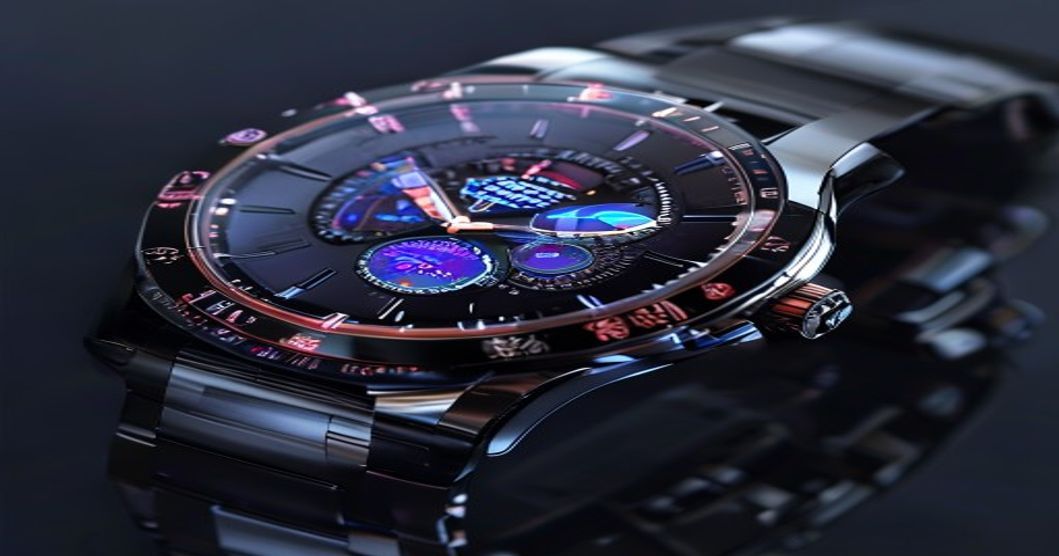
In a world increasingly shaped by artificial intelligence, the line between imagination and reality is blurring at an astonishing pace. What was once confined to the realm of speculative fiction is now manifesting in our physical world, driven by the powerful synergy of AI's creative prowess and global manufacturing capabilities. Take, for instance, the recent phenomenon in the luxury watch community: watch enthusiasts fell head over heels for vibrant, conceptual Audemars Piguet x Swatch Royal Oak wristwatches that, for a brief period, existed only as stunning AI-generated images. The buzz was immense, the desire palpable. Then, remarkably, this digital fantasy began its journey towards becoming a tangible product, with China often emerging as the key player in translating these AI-invented realities into manufactured desire. This shift signals a profound evolution in consumerism, product development, and the very fabric of our tech-driven economy, moving us into an era where AI-generated content dictates what we crave, and efficient global supply chains deliver.
The Dawn of AI-Generated Fantasies
The story of the imaginary Audemars Piguet x Swatch collaboration is a potent microcosm of a much larger trend. For years, AI tools like Midjourney, DALL-E, and Stable Diffusion have been refining their ability to generate photorealistic images from simple text prompts. What started as novelties has evolved into sophisticated design engines, capable of producing product concepts with intricate details, appealing aesthetics, and a sense of tangible authenticity.
From Concept Art to Viral Sensation
These AI models analyze vast datasets of existing designs, consumer preferences, and aesthetic trends to create novel, yet highly desirable, products. In the watch scenario, the AI likely drew upon the iconic design language of Audemars Piguet's Royal Oak, combined it with the playful, accessible aesthetic of Swatch, and injected a vibrant color palette that resonated with contemporary consumer trends. The resulting images weren't just pretty pictures; they tapped into an existing consumer yearning for luxury accessible, unique, and conversation-starting items. Shared widely across social media, these "fake" watches quickly became a viral sensation, generating a level of organic excitement and market validation that traditional product development cycles could only dream of achieving. This immediate and widespread "digital desire" provided undeniable proof of concept, turning a virtual fantasy into a manufacturing opportunity waiting to be seized.
China's Role: Bridging the Virtual and the Tangible
While AI creates the compelling vision, it is often China that possesses the unparalleled capability to transform these digital desires into physical realities. For decades, China has solidified its position as the world's manufacturing powerhouse, driven by advanced infrastructure, skilled labor, efficient supply chains, and a robust ecosystem of material sourcing and production facilities.
The Manufacturing Powerhouse Meets Digital Demand
The speed and scale at which China can prototype and mass-produce goods are critical to this new paradigm. When an AI-generated concept goes viral and demonstrates significant market demand, Chinese manufacturers are uniquely positioned to react quickly. They can rapidly source materials, create molds, fine-tune production processes, and churn out products that closely mimic the AI's original vision. This agility allows for the rapid iteration and commercialization of new product ideas, shortening the time from digital concept to real-world availability dramatically. The ability to quickly manufacture AI-generated designs at competitive prices means that brands and entrepreneurs can capitalize on fleeting digital trends, turning viral sensations into tangible products before the consumer interest wanes. This responsiveness is a game-changer for product innovation and the future of commerce.
The Mechanics of Digital Desire: How AI Shapes Consumption
The emergence of AI-invented realities goes beyond just generating pretty pictures; it delves deep into the mechanics of consumer psychology, leveraging data-driven insights to curate and amplify desire. AI isn't just a design tool; it's a profound market research and trend-forecasting engine rolled into one.
Understanding Consumer Psychology in the AI Era
Modern AI algorithms are adept at analyzing vast quantities of consumer data, including social media trends, purchase histories, search queries, and even emotional responses to various stimuli. By processing this information, AI can identify emerging preferences, unmet needs, and untapped market niches with astonishing accuracy. It can then generate product concepts that are almost perfectly aligned with these insights, effectively creating "pre-validated" designs. This allows for a kind of "A/B testing" in the virtual realm: designers and marketers can gauge public reaction to AI-generated concepts *before* committing to expensive physical production. The viral spread of an AI-invented product generates not just hype, but a collective sense of "FOMO" (fear of missing out), driving a powerful group desire that manufacturers can then efficiently fulfill. This predictive design and validation loop fundamentally alters how consumer trends are identified and capitalized upon, making the design process incredibly efficient and demand-driven.
Broader Implications: Reshaping Industry and Reality
The phenomenon of AI inventing reality and China manufacturing digital desire has far-reaching implications, touching everything from innovation cycles to ethical considerations and even our perception of what constitutes "real" and "authentic."
Innovation, Customization, and the Supply Chain of Tomorrow
For industries, this trend promises revolutionary changes. Product development cycles, traditionally long and expensive, can be dramatically shortened. AI can generate countless iterations of a product concept in minutes, allowing designers to focus on refinement rather than initial ideation. This also paves the way for hyper-customization and mass personalization, where products are designed by AI to meet individual preferences, then manufactured on demand. The supply chain of tomorrow will be incredibly responsive, shifting from speculative mass production to agile, demand-driven manufacturing, potentially reducing waste and increasing efficiency across the board. Brands can test concepts, measure real-time digital engagement, and then scale production with unprecedented precision, leading to a much more dynamic and consumer-centric marketplace.
Ethical and Intellectual Property Challenges
However, this new paradigm also presents significant ethical and intellectual property (IP) challenges. Who owns the copyright to an AI-generated design? Is it the AI model, the person who crafted the prompt, or the company that licensed the AI? The ease with which AI can "mimic" existing styles or even specific designs raises questions about originality and potential infringement. Furthermore, the rapid replication of AI-generated concepts by manufacturers – especially if not directly commissioned by the original concept creator – blurs the lines around fair use and intellectual theft. As AI blurs the lines between what's real and what's merely plausible, our perception of reality itself is being reshaped. This touches upon transhumanist themes, where technology not only augments human capabilities but also crafts new dimensions of desire and experience, making previously impossible fantasies tangible. The legal frameworks governing creation and ownership are struggling to keep pace with these rapid technological advancements, necessitating new regulations and ethical guidelines to navigate this evolving landscape.
The Future Landscape: AI, China, and the Global Marketplace
The collaborative power of AI's inventive capabilities and China's manufacturing might is setting the stage for a new era of global commerce. We are witnessing the rise of a highly responsive, digitally-native marketplace where products can move from concept to consumer with unprecedented speed.
This means that small, agile companies equipped with AI tools can compete with established brands by rapidly identifying and fulfilling niche desires. It also implies a future where virtual products in metaverses or gaming environments could seamlessly transition into physical goods, deepening the integration between our digital and physical lives. For consumers, this translates to an endless stream of novel, perfectly tailored products, driven by their collective digital desires. For brands, it's a call to embrace AI as a core component of their design and market research strategy, leveraging its power to innovate faster and connect more deeply with their audience.
Conclusion
The fascinating journey from an AI-generated image of a luxury wristwatch to the potential for its mass production exemplifies a profound shift in how products are conceived, desired, and delivered. AI is no longer just a tool for automation; it is a powerful creative engine, inventing compelling new realities that captivate human imagination. Simultaneously, China's manufacturing prowess provides the critical bridge, transforming these digital desires into tangible goods at an astonishing scale and speed. This synergy between AI-invented reality and efficient manufacturing is reshaping consumer expectations, challenging traditional design processes, and raising complex questions about ownership and authenticity. As AI continues to evolve and global supply chains become ever more responsive, we stand at the precipice of a new era where our digital desires are not just fleeting thoughts but blueprints for a future that is continuously being designed and delivered.
