Google AI Unleashes Your Digital Self
The digital realm is no longer just a reflection of our physical world; it’s rapidly becoming an extension, an augmentation, and in many ways, an entirely new dimension of our existence. In this exciting and sometimes unsettling evolution, Artificial Intelligence (AI) stands as the primary architect, continually blurring the lines between what's real and what's synthetically generated. Google, a perennial titan in AI innovation, is once again at the forefront, pushing the boundaries of personal digital identity with its latest overhaul of AI creation software, Flow. This revolutionary update introduces a new video model and, most notably, a groundbreaking tool for generating "selfie videos" called AI avatars, effectively making it easier than ever to unleash your digital self onto the world.
This isn't merely about creating a digital caricature; it's about democratizing the creation of sophisticated synthetic media that mirrors your likeness, voice, and even mannerisms. It signals a significant leap towards a future where our digital twins aren't just static profiles but dynamic, interactive entities capable of communicating, learning, and evolving alongside us. The implications stretch far beyond mere novelty, touching upon personal branding, content creation, the burgeoning metaverse, and even the philosophical concepts of transhumanism and digital immortality.
The Dawn of Your AI Avatar: Google Flow's Innovation
Google's commitment to making advanced AI accessible is evident in its latest advancements within Flow. This platform is evolving into a powerhouse for generative AI, empowering users to create compelling visual content with unprecedented ease and sophistication.
What is Google Flow? Redefining AI Content Creation
Google Flow is more than just a software suite; it's an ecosystem designed to simplify complex AI processes for content generation. The recent enhancements are particularly focused on video, a medium that continues to dominate digital consumption. By integrating a sophisticated new video model, Flow allows creators to produce high-quality, dynamic video content that was once the exclusive domain of professional studios or highly skilled technicians.
The core innovation here lies in its ability to translate complex input into coherent, realistic video output. Whether it's animating still images, generating scenes from text prompts, or, most intriguingly, bringing a digital version of *you* to life, Flow is engineered to streamline the creative process. This significantly lowers the barrier to entry for individuals and small businesses looking to leverage cutting-edge AI for their digital presence.
From Selfie to Synthetic: How AI Avatars Work
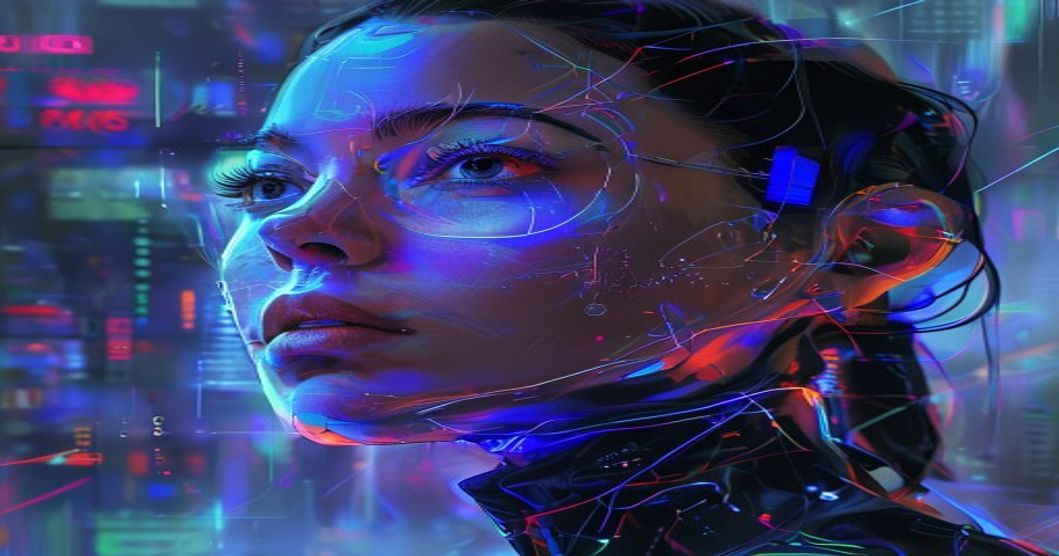
The real game-changer in Flow’s update is the introduction of AI avatars – a tool specifically designed to generate "selfie videos." Imagine providing the AI with a few images or a short video clip of yourself, and then instructing it to create a personalized video where *your digital likeness* speaks, gestures, or performs actions based on your input. This is precisely what Google is making easy.
The process leverages advanced deep learning algorithms, including generative adversarial networks (GANs) and neural radiance fields (NeRFs), to analyze your facial features, expressions, and vocal characteristics. It then constructs a highly realistic 3D model, or "digital twin," that can be animated and manipulated. Users can then feed text or audio prompts, and the AI avatar will generate a video of them "speaking" those words with natural facial movements and lip-syncing. This technology moves beyond simple filters or animated emojis; it creates a convincing synthetic representation that verges on indistinguishable from real footage. This democratizes the creation of highly personalized synthetic media, opening up a new frontier for self-expression and interaction.
Beyond the Selfie: The Broader Implications of Your Digital Twin
The ability to easily create a dynamic AI avatar has profound implications across various sectors, from personal empowerment to the very definition of identity in an increasingly digital world.
Navigating the Digital Frontier: Personal Branding and Content Creation
For individuals and businesses alike, AI avatars represent a powerful new tool for content creation and personal branding. Imagine a small business owner who can't afford a professional video team but wants to create engaging, personalized marketing videos. With an AI avatar, they can generate endless variations of video content featuring their own likeness, delivering messages, tutorials, or product demonstrations. Influencers can scale their content production, creating multiple localized versions of their videos or even having their avatar host simultaneous live streams in different virtual spaces. This technology promises to revolutionize how we interact with our audiences, offering hyper-personalized and dynamic experiences.
The Metaverse and Virtual Identity: A Seamless Integration
The concept of the metaverse – a persistent, interconnected virtual world – relies heavily on robust and expressive digital identities. AI avatars generated by Google Flow are perfectly positioned to populate these emerging virtual spaces. Instead of generic avatars, users can enter the metaverse as their authentic digital self, fostering deeper immersion and connection. Your AI avatar could attend virtual meetings, interact in gaming worlds, or explore digital storefronts on your behalf, providing a more intuitive and personalized experience within these immersive environments. This push towards realistic digital twins is a cornerstone for a truly integrated virtual existence, blurring the boundaries between physical presence and digital engagement.
Bridging Realities: The Transhumanist Dream of Digital Immortality
Perhaps one of the most profound implications of advanced AI avatars touches upon the realm of transhumanism – the belief that humanity can transcend its current limitations through technology. The ability to create a highly sophisticated digital self raises questions about legacy, memory, and even a form of virtual immortality. Imagine an AI avatar that learns your personality, memories, and communication style, becoming a digital replica that can interact with future generations after your physical passing.
This concept extends beyond simple memorials. It could lead to "digital companions" that embody the wisdom and character of loved ones, offering guidance and comfort. While the ethical and philosophical debates around true consciousness and digital selfhood are complex, Google's tools nudge us closer to a future where our digital footprint isn't just data, but an active, intelligent extension of our being. It offers a glimpse into a future where human identity is no longer solely bound by biological constraints.
The Ethical Labyrinth: Navigating Deepfake Technology and Trust
While the creative and transhumanist potential of AI avatars is immense, we cannot ignore the "deepfake" aspect from which these technologies emerged. The power to create highly realistic synthetic media comes with significant ethical challenges that demand careful consideration.
The Double-Edged Sword of Synthetic Media: Opportunities and Risks
The same technology that allows for groundbreaking creative expression can also be weaponized. The ease with which AI avatars can be generated raises concerns about misinformation, impersonation, and the erosion of trust in digital media. Malicious actors could use this technology to create convincing fake videos of public figures, spread propaganda, or engage in sophisticated scams. The challenge lies in harnessing the positive potential while mitigating the inherent risks. It's a testament to the speed of AI advancement that tools once exclusive to state-level actors or highly funded research labs are now becoming accessible to the general public.
Ensuring Authenticity in an AI-Generated World
To navigate this ethical labyrinth, a multi-faceted approach is crucial. Google, and the broader tech community, must prioritize the development of robust detection mechanisms for synthetic media, digital watermarking, and clear disclosure protocols. Users need to be educated about the prevalence of AI-generated content and equipped with critical thinking skills to discern authenticity. Furthermore, strong legal and ethical frameworks are necessary to govern the creation and dissemination of synthetic media, particularly when it involves individuals' likenesses without consent. The balance between innovation and protection of individual rights and societal truth will be a defining challenge of the AI era.
The Future is Now: What's Next for Your Digital Self?
Google AI's advancements with Flow and AI avatars are not an endpoint but a significant milestone on a continuous journey. The trajectory points towards an increasingly interconnected existence between our physical and digital selves.
Personalized AI Experiences and Beyond
The applications for highly personalized AI avatars are just beginning to unfold. Imagine AI-driven customer service representatives that look and sound exactly like the brand founder, offering a unique personal touch at scale. Consider educational platforms where AI tutors, appearing as beloved historical figures or personalized mentors, engage students in dynamic ways. In healthcare, AI avatars could deliver empathetic support, explain complex medical information, or provide virtual companionship for the elderly. The potential for hyper-personalized interactions across every facet of life is immense, promising to redefine convenience, engagement, and accessibility.
As AI continues to learn and evolve, our digital selves will become more autonomous, capable of performing tasks, learning new skills, and representing us in virtual spaces even when we're offline. This future could see our digital selves becoming active participants in our lives, managing aspects of our digital footprint, and facilitating interactions in ways we can only begin to imagine.
Conclusion
Google AI's latest foray into making "deepfaking yourself" a simple reality through its Flow software and AI avatars marks a pivotal moment in the evolution of digital identity. It's an exciting leap into a future where our digital selves are not just static representations but dynamic, interactive extensions of who we are. From revolutionizing content creation and personal branding to seamlessly integrating with the metaverse and exploring the profound concepts of transhumanism and digital legacy, the potential is boundless.
However, with great power comes great responsibility. The accessibility of sophisticated synthetic media demands a proactive approach to ethics, security, and public education. As we embrace the opportunities presented by this technology, we must also diligently address the challenges to ensure a future where our digital selves can thrive safely and constructively. Google AI is indeed unleashing our digital selves, inviting us to ponder not just what we can create, but who we are becoming in this brave new digital world.
