OpenAI's Policy Chief Battles for AI's Augmented Humanity
The landscape of artificial intelligence is evolving at an unprecedented pace, promising transformative advancements while simultaneously igniting widespread debate and concern. At the heart of this storm stands OpenAI, a company synonymous with cutting-edge AI, now navigating the delicate balance between rapid innovation and responsible deployment. Leading this crucial effort is Chris Lehane, OpenAI’s Global Affairs Chief, a seasoned veteran of political and corporate communications, whose mission is to bridge the chasm between AI’s vast potential and the public’s apprehension. Lehane’s battle isn't just about PR; it's a strategic campaign to ensure AI’s future is one of "augmented humanity," where technology enhances, rather than diminishes, human capabilities and societal well-being.
The Dawn of a New Era: AI's Promise and Peril
The recent proliferation of powerful generative AI models like OpenAI's ChatGPT has ushered in a new era, demonstrating capabilities once confined to science fiction. From automating complex tasks and personalizing education to accelerating scientific discovery and fostering unprecedented creativity, AI's potential benefits are staggering. It promises to unlock new levels of efficiency, solve intractable problems, and fundamentally reshape industries across the globe.
However, this meteoric rise has been accompanied by a chorus of concerns. Fears surrounding job displacement, the spread of misinformation, deepfakes, ethical dilemmas, bias in algorithms, and even existential risks have moved from academic circles into mainstream discourse. This confluence of excitement and apprehension has created a significant "reputation crisis" for the AI industry. Many policymakers, the public, and even some within the tech community are calling for stricter regulation, fearing that unchecked AI development could lead to unforeseen and potentially catastrophic consequences. This is precisely the environment Chris Lehane was brought in to navigate, shaping the narrative towards a future where AI serves to enhance our shared human experience.
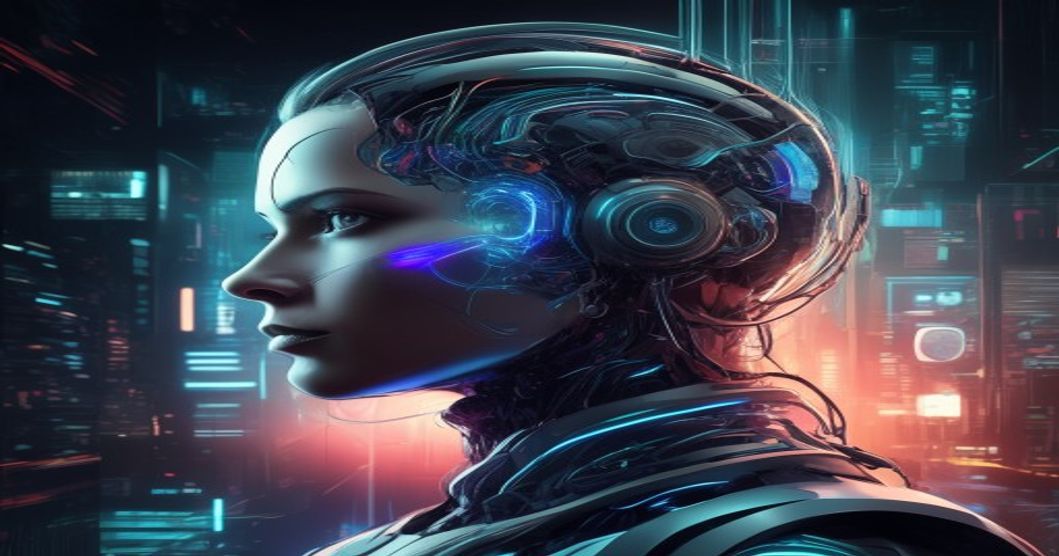
Chris Lehane: OpenAI's Strategic Architect of Influence
From Political Battlegrounds to AI Diplomacy
Chris Lehane's resume reads like a masterclass in high-stakes communication and political strategy. A former press secretary in the Clinton White House during the impeachment hearings, he earned the moniker "Master of Disaster" for his unparalleled ability to manage crises and steer narratives through turbulent waters. His career trajectory then led him to Silicon Valley, where he honed his skills at companies like Netflix and, most notably, Uber, during a period of intense public scrutiny and regulatory challenges. This extensive background makes him uniquely qualified to tackle the complex, multi-faceted issues surrounding AI's societal impacts.
OpenAI's decision to bring Lehane on board as Global Affairs Chief underscores the company's understanding that the future of AI isn't solely a technical challenge; it's fundamentally a political, social, and ethical one. His role is to act as a crucial liaison between OpenAI's ambitious technical development and the broader world, engaging with governments, industry leaders, and the public to shape a constructive dialogue about AI's integration into society.
Toning Down the Hype, Shaping the Narrative
Lehane's strategy is two-pronged: simultaneously calming exaggerated fears about AI's destructive potential and actively promoting its capacity for good. He aims to "tone down the debate" by moving conversations away from alarmist rhetoric and towards pragmatic solutions and balanced perspectives. This doesn't mean ignoring risks, but rather contextualizing them and demonstrating that responsible development can mitigate them.
His core message revolves around the concept of "augmented humanity." This vision posits AI not as a replacement for human intellect or endeavor, but as a powerful tool that extends our capabilities. Instead of AI taking over, it's about AI empowering us to achieve more, think deeper, create better, and solve problems that were previously beyond our reach. This narrative is crucial for shifting public perception from fear to optimism, fostering an environment where innovation can thrive responsibly.
Navigating the Regulatory Labyrinth: A Global Challenge
The Urgency of Thoughtful AI Governance
The global clamor for AI regulation is undeniable. Governments worldwide recognize the profound implications of this technology and are grappling with how to govern it effectively. The challenge lies in crafting legislation that protects citizens and addresses legitimate concerns without stifling the very innovation that promises immense societal benefits. Over-regulation could inadvertently cripple nascent industries, drive talent away, and slow progress on critical applications. Conversely, a lack of robust oversight risks allowing harmful applications to proliferate, eroding public trust and exacerbating existing inequalities.
Lehane's role involves engaging directly with policymakers from Washington D.C. to Brussels and beyond. He understands that simply resisting regulation is not a viable strategy. Instead, OpenAI seeks to be a proactive partner in the regulatory process, offering insights from the front lines of AI development to help shape frameworks that are both effective and forward-thinking.
Advocating for Pro-Innovation Frameworks
OpenAI, through Lehane's advocacy, is working to influence policymakers to create "pro-innovation frameworks." This means pushing for regulations that are technology-agnostic where appropriate, adaptable to rapid technological change, and focused on outcomes rather than specific methods. The company advocates for a collaborative approach, encouraging public-private partnerships where industry expertise can inform legislative decisions.
OpenAI has also articulated its own principles for responsible AI development, including a commitment to safety, transparency, and human oversight. They advocate for establishing "red lines" for AI usage (e.g., prohibiting autonomous weapons) and call for mechanisms to ensure accountability. Lehane's mission is to demonstrate that OpenAI is not only a leader in AI development but also a committed proponent of its responsible and ethical deployment, ensuring that new laws don't "derail OpenAI's meteoric rise" but rather guide it towards a beneficial future.
Augmented Humanity: The Vision OpenAI Champions
The concept of augmented humanity is more than just a marketing slogan; it's a foundational philosophy driving OpenAI's engagement with the world. It represents a future where AI acts as a universal co-pilot, enhancing nearly every aspect of human life.
Imagine AI tools that act as personalized tutors, adapting to individual learning styles and providing unprecedented access to education. Consider AI assisting doctors in diagnosing diseases with greater accuracy and speed, leading to better patient outcomes. Envision creative professionals leveraging AI to generate new ideas, refine artistic expressions, or even compose music and literature. In scientific research, AI can accelerate hypothesis generation, analyze vast datasets, and simulate complex systems, pushing the boundaries of discovery at an unprecedented pace.
This vision subtly intersects with elements of transhumanism, not in the sense of merging human biology with machines, but in the expansion of human cognitive and creative capacities through advanced tools. AI can become an extension of our intellect, allowing us to process more information, solve more intricate problems, and collaborate on a global scale with unprecedented efficiency. It's about enhancing what it means to be human, not replacing it – empowering individuals to transcend current limitations and achieve new heights of personal and collective achievement. By making advanced AI accessible and user-friendly, OpenAI aims to democratize these augmentation capabilities, ensuring they serve a broad spectrum of humanity.
The Road Ahead: Challenges and Opportunities
Despite Lehane's strategic efforts, the road ahead for AI remains fraught with challenges. Public skepticism, fueled by sensational headlines and legitimate concerns, will not dissipate overnight. Building and maintaining public trust requires ongoing transparency, demonstrable commitment to safety, and a willingness to engage critically with dissenting voices. OpenAI, like other leading AI developers, must continually prove its dedication to responsible development through its products, policies, and practices.
The balancing act between rapid technological progress and ethical considerations will continue to be a tightrope walk. OpenAI's meteoric rise is a testament to its innovation, but that growth must be tempered with a profound sense of responsibility for the technology's societal impact. Lehane's efforts are crucial in ensuring that this balance is maintained, preventing an "us vs. them" dynamic between tech innovators and regulators. The opportunity, however, is immense: to shape a future where AI is not merely a tool but a partner in humanity's progress, contributing to a world that is more informed, more capable, and ultimately, more human.
Conclusion
Chris Lehane's role at OpenAI is more critical than ever. As AI continues its rapid ascent, the narrative around its future will largely determine its acceptance and eventual integration into society. By strategically engaging with global stakeholders, toning down polarized debates, and championing the vision of augmented humanity, Lehane is fighting to secure a future where AI serves as a powerful enhancer of human potential, not a source of fear. His experience as a "Master of Disaster" is now deployed in the service of steering humanity's most transformative technology toward a path of responsible innovation and collective benefit. The outcome of this battle will profoundly shape not just the trajectory of OpenAI, but the very nature of humanity's relationship with the intelligent machines it creates.
