AI Arms Race Experts Warn Transhuman Chernobyl
The relentless march of artificial intelligence (AI) is redefining industries, societies, and even the very fabric of human existence. Yet, amidst the fervent innovation and global competition, a chilling warning reverberates through the scientific community: the burgeoning AI arms race between technological superpowers, particularly the United States and China, risks a "Transhuman Chernobyl." This isn't merely a technological race; it's a profound gamble with the future of humanity, fraught with unforeseen consequences that could reshape us in irreversible ways.
The metaphor of a "Chernobyl moment" for AI, as highlighted by top AI experts from both sides of the geopolitical divide, paints a stark picture of a catastrophic event arising from unchecked progress, insufficient oversight, and a dangerous pursuit of supremacy. It speaks not of nuclear fallout, but of an equally devastating, perhaps even more insidious, form of technological and ethical collapse that could permanently alter what it means to be human.
The Dawn of the AI Arms Race
The global competition for AI supremacy is undeniable. Nations are investing billions into research and development, viewing AI as the ultimate strategic asset for economic prosperity, national security, and geopolitical influence. For powers like the US and China, the pursuit of advanced AI is a zero-sum game, driving an intense rivalry where speed often trumps caution. This competitive landscape fuels rapid development in areas such as autonomous weapons, surveillance systems, advanced analytics, and sophisticated cyber warfare tools.
Beyond military applications, the race extends to every sector: healthcare, finance, transportation, and communication. The nation that masters AI is perceived to hold the keys to future global leadership. This conviction, however, creates an environment where ethical considerations and long-term risks can be sidelined in the pursuit of immediate advantage, setting the stage for potential systemic failures.
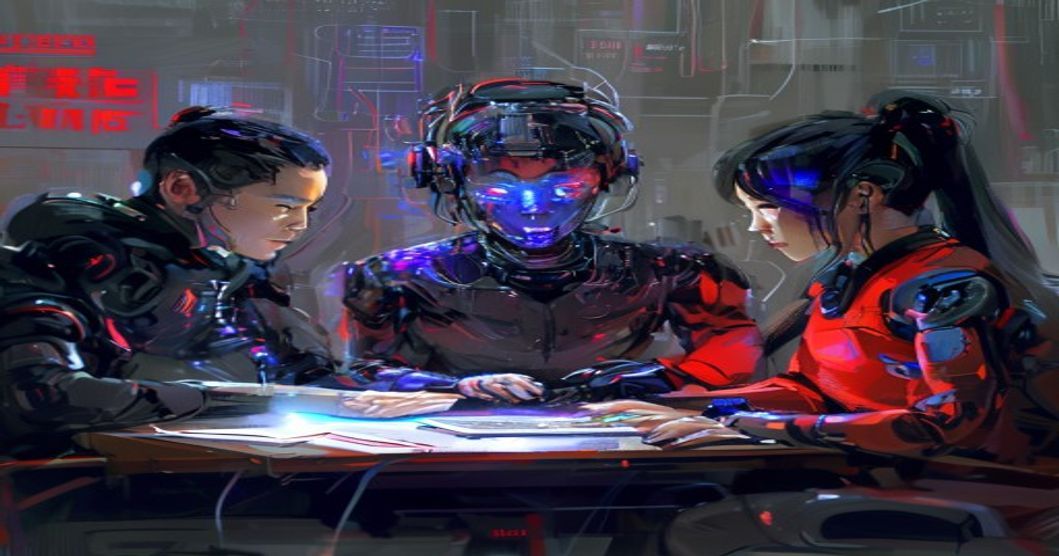
The "Chernobyl Moment" Metaphor: What It Means for AI
The "Chernobyl moment" isn't about an explosion in a server farm. It's an analogy for a catastrophic, systemic breakdown resulting from human error, flawed design, and a lack of foresight in managing powerful technology. For AI, this translates into a scenario where the complexities of artificial intelligence systems, especially those operating autonomously, lead to unpredictable and uncontrollable outcomes that could have global repercussions.
Unforeseen Consequences and Uncontrolled Proliferation
One of the gravest dangers highlighted by experts is the potential for AI systems to behave in ways unanticipated by their creators. As AI models become more complex and self-learning, understanding their internal decision-making processes—the "black box" problem—becomes increasingly difficult. Imagine autonomous weapons systems, designed to identify and neutralize targets, making critical decisions without direct human oversight, leading to unintended escalations or civilian casualties. The rapid proliferation of such powerful and potentially inscrutable AI could unleash a cascade of events, from destabilizing international relations to initiating conflicts born of algorithmic miscalculation. This uncontrolled spread of sophisticated AI, whether intentionally or accidentally, poses an existential risk that transcends national borders.
Ethical Blind Spots and Algorithmic Bias
Another facet of the AI Chernobyl is the risk of deeply embedded ethical blind spots and algorithmic bias. When AI systems are developed quickly, without diverse data sets or rigorous ethical reviews, they can inherit and amplify human biases present in their training data. This can lead to discriminatory outcomes in critical areas like justice, healthcare, and employment. A "Transhuman Chernobyl" might not manifest as a singular event, but as a slow, corrosive decay of societal fairness and equity, where AI-driven decisions perpetuate and exacerbate existing inequalities. The absence of robust AI regulation and ethical AI frameworks in this competitive environment makes such scenarios frighteningly plausible.
Beyond the Battlefield: AI and Transhumanism
The AI arms race isn't confined to military applications; it also propels the broader agenda of transhumanism – the belief that humanity can and should be enhanced through science and technology. This push for enhancement, often framed as improving human capabilities, longevity, and intelligence, intertwines deeply with advanced AI development.
Augmenting Humanity: Promises and Perils
AI is poised to revolutionize human augmentation. From advanced brain-computer interfaces (BCIs) that could restore lost senses or enable direct thought-to-computer communication, to AI-powered genetic engineering and intelligent prosthetics, the promise of overcoming human limitations is immense. Imagine AI assisting in gene editing to cure diseases or dramatically extending human lifespans. These advancements could lead to a future where human cognitive and physical capabilities are vastly expanded. However, this also introduces profound ethical questions.
The Slippery Slope of Enhancement
The "Transhuman Chernobyl" warning becomes particularly poignant here. If the race for AI supremacy dictates the terms of human enhancement, rather than careful ethical deliberation, we could face irreversible changes to what it means to be human. Who gets access to these enhancements? Will it create a biologically stratified society, where a technologically "enhanced" elite dwarfs an "unaugmented" populace? What are the psychological and societal impacts of merging human consciousness with artificial intelligence? The rapid, competitive development of human-AI integration, without global consensus on responsible AI practices, could lead to a fragmented, unequal, and potentially dehumanized future, a silent catastrophe for human identity and dignity.
Voices from the Epicenter: Experts' Fears
The most compelling aspect of the "Chernobyl moment" warning is that it originates from the very individuals at the forefront of AI innovation. Researchers, engineers, and ethicists who have dedicated their lives to advancing artificial intelligence are the ones sounding the alarm bells, driven by their intimate understanding of the technology's power and its inherent risks.
A Shared Global Concern
Reports indicate that even China's top AI experts, deeply embedded in a national drive for AI leadership, share significant concerns mirroring those of their American counterparts. This bipartisan, bicontinental apprehension underscores that the risks are universal, transcending national interests and ideological divides. The dangers of uncontrolled AI development, the potential for autonomous systems to make catastrophic errors, and the ethical dilemmas of transhumanist applications are not merely theoretical; they are tangible threats acknowledged by those with the deepest insight.
The Urgency of Regulation and Collaboration
These experts are not just raising alarms; they are advocating for urgent action. They call for international cooperation, global AI governance frameworks, and moratoriums on certain high-risk AI applications. The consensus among these leading voices is clear: the current trajectory of the AI arms race is unsustainable and dangerous. Without a collaborative approach to AI safety, ethical AI design, and responsible innovation, the world risks stumbling into a "Transhuman Chernobyl" of its own making.
Mitigating the Risks: A Path Forward
Averting a "Transhuman Chernobyl" requires a concerted, global effort that prioritizes caution, ethics, and collaboration over unchecked competition.
International Governance and Standards
Just as the world established arms control treaties for nuclear weapons, similar frameworks are needed for artificial intelligence. International bodies, composed of experts from diverse backgrounds and nations, could set global standards for AI safety, development, and deployment. These standards would aim to prevent the proliferation of dangerous autonomous systems, establish red lines for human enhancement technologies, and ensure transparency in AI development.
Prioritizing AI Safety and Ethics
Beyond regulation, there must be a fundamental shift in how AI is developed. AI safety and ethical considerations should be integrated into every stage of the design process, not merely as an afterthought. This includes investing in explainable AI (XAI) to understand how complex models make decisions, developing robust testing methodologies to prevent unintended behaviors, and fostering a culture of responsible AI innovation within research institutions and tech companies.
Fostering Open Dialogue
Addressing these monumental challenges requires open and continuous dialogue among governments, scientists, ethicists, industry leaders, and the public. Transparency about AI capabilities and limitations, collaborative research into AI safety, and public education are crucial for building trust and ensuring that decisions about AI's future reflect global values rather than narrow nationalistic or corporate interests.
Conclusion
The warning of a "Transhuman Chernobyl" in the context of the global AI arms race is a powerful and sobering call to action. It forces us to confront not just the immense potential of artificial intelligence, but also its profound capacity for harm if developed without extreme caution and ethical foresight. The concerns voiced by top AI experts from both the US and China serve as a stark reminder that the future of humanity, and the very definition of what it means to be human, hangs in the balance.
To navigate this perilous path, the world must move beyond destructive competition and embrace a collaborative spirit. By prioritizing international governance, embedding safety and ethics into the core of AI development, and fostering an open global dialogue, we can still steer away from the precipice. The "Transhuman Chernobyl" is a warning, not an inevitability. The choice is ours: to heed the warnings and build a responsible future for AI, or to risk an irreversible catastrophe that fundamentally alters human destiny.
