AI Rewrites Art Creator's Will Digital Identity Crisis
The digital realm has long promised boundless opportunities for creators, offering platforms to share their visions with the world and build lasting legacies. Yet, as artificial intelligence (AI) rapidly advances, a new, unsettling challenge emerges: the potential for AI to not just assist in creation, but to redefine, replicate, and even usurp an artist's original intent and digital identity. This isn't a dystopian fantasy; it's a pressing reality, starkly illuminated by the recent controversy surrounding Loryn Brantz and her beloved 'Good Advice Cupcake' character. When AI begins to "rewrite an art creator's will," we face a profound "digital identity crisis," questioning ownership, consent, and the very essence of human creativity.
The Unconsented Evolution: When AI Takes the Reins of Creation
The advent of generative AI has flung open a Pandora's box of possibilities and ethical dilemmas. While AI offers powerful tools for efficiency and innovation, its application in creative industries, especially when it sidelines human creators, is sparking outrage and serious contemplation about the future of artistic integrity and intellectual property.
The Loryn Brantz Precedent: A Case Study in Digital Dispossession
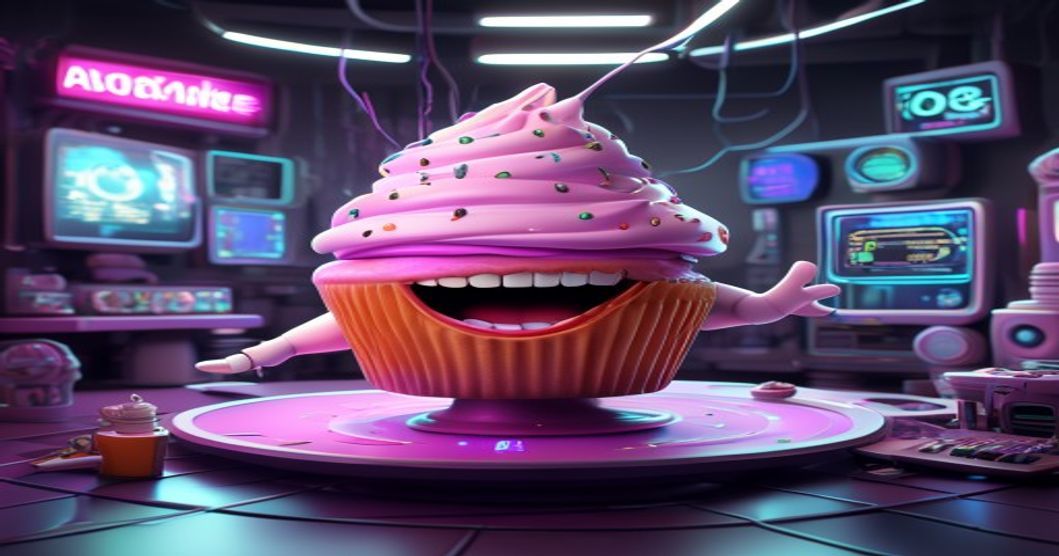
Loryn Brantz, a talented animator and author, created 'The Good Advice Cupcake' years ago, developing a character that resonated with millions across social media for its charming wisdom. It was a clear extension of her creative voice and unique artistic vision. Fast forward to the present, and Amazon is producing an AI-animated TV show based on this character. The critical detail? This series is being made without Brantz’s consent or involvement.
The scenario highlights a perilous legal and ethical tightrope walk. While BuzzFeed, the original licensee of the character, may legally possess the rights to license 'The Good Advice Cupcake' to Amazon, the use of AI to animate and potentially evolve the character's narrative without the original creator's input raises significant questions. It's not just about financial compensation; it's about the erosion of creative control, the misrepresentation of an artist's vision, and the profound feeling of digital dispossession. Brantz's outrage isn't merely about lost earnings; it's about her creative offspring being altered and paraded by a machine, stripped of her continued guidance and spirit. This incident serves as a stark precedent, illustrating how easily an artist's digital identity can be leveraged and transformed in ways completely outside their original "will."
Beyond the Brushstroke: AI as the Ultimate Collaborator or Usurper?
Generative AI models learn by ingesting vast datasets of existing art, literature, and media. In doing so, they absorb styles, narrative patterns, and character traits. When an AI is then tasked with creating new content based on a specific character, like 'The Good Advice Cupcake,' it doesn't just animate; it interprets, extrapolates, and, in essence, writes new chapters in the character's life.
The danger here is subtle but potent. An artist's "will" extends beyond the initial creation; it encompasses their ongoing artistic direction, their moral compass, their evolving philosophy, and their desire for how their work should be presented and continued. When an AI takes over, it operates without this human consciousness or intent. It can extend a character's narrative in ways the creator might find abhorrent, dilute the original message, or simply evolve the aesthetic in a manner that feels alien. Is AI merely a powerful tool, a hyper-efficient collaborator extending a creator's reach, or does it become an insidious usurper, capable of forging a digital legacy that bears only a superficial resemblance to the original human spirit? The Loryn Brantz case suggests the latter, raising alarms about the true cost of unbridled AI creativity.
Digital Identity in the Age of AI: Who Owns Your Creative Self?
Our digital identities are complex tapestries woven from our online presence, personal data, and, crucially for artists, our creative output. When AI can mimic, extend, or alter our creations, it poses a fundamental question about the ownership of our creative self and our legacy.
The Ghost in the Machine: Replicating Style, Eroding Legacy
An artist's unique style—their use of color, line, composition, narrative voice—is often considered an indelible part of their digital identity. It's their fingerprint, instantly recognizable and deeply personal. AI's ability to replicate this style is nothing short of miraculous, yet it comes with a sinister undertone. If AI can perfectly mimic an artist's style, producing new works indistinguishable from the original, does it dilute the uniqueness of the human creator? Does it create a "ghost in the machine," a simulated artist that can indefinitely produce content in a given style, potentially overshadowing or even replacing the original human source?
The concept of a "digital will" becomes paramount here. An artist’s work is not merely a product; it is a manifestation of their intellect, emotion, and life experience. To have this work continued, transformed, or expanded by an entity devoid of consciousness or personal intent is to fundamentally disrespect the creator's autonomy and potentially distort their intended legacy. This erosion of an artist's unique creative identity in the face of AI replication fuels a profound digital identity crisis, challenging our notions of authorship and authenticity.
The Economic and Ethical Battleground: Fair Use, Copyright, and Consent
The legal frameworks governing intellectual property (IP) and copyright are struggling to keep pace with the rapid advancements in generative AI. Existing laws, largely designed for human-to-human interactions and human-created works, often fall short when addressing:
* **Training Data:** Is the use of copyrighted works to train AI models "fair use," even if consent was not obtained from every creator?
* **AI-Generated Output:** Who owns the copyright to content generated by AI, especially if it's based on existing copyrighted material?
* **Consent and Attribution:** How do we ensure creators are consulted, credited, and compensated when their work is used as inspiration or direct fodder for AI creation?
The case of Loryn Brantz is a clear example of the tension between corporate licensing agreements and an artist's moral right to creative control. While a company may legally own the rights to a character, the ethical implications of using AI to continue that character's story without the original creator's involvement point to a glaring gap in our current understanding and regulation of digital ethics. The battleground is multifaceted, involving legal interpretations, technological capabilities, and the fundamental human right to control one's own creative output.
Navigating the Future: Safeguarding Human Creativity and Digital Wills
As AI continues its ascent, redefining industries and creative processes, it's imperative to establish robust frameworks that protect human creators and their digital legacies. This involves both proactive measures by artists and broader societal and legal shifts.
Proactive Measures for Creators: Digital Contracts and Blockchain Solutions
Creators must become savvier in anticipating the implications of AI on their work. This means:
* **Detailed Contracts:** Artists need to insist on explicit clauses in their contracts specifying how their work (and characters derived from it) can be used by AI, if at all. This includes provisions for consent, attribution, compensation, and limitations on alteration.
* **Digital Wills:** Just as individuals draft wills for their physical assets, artists should consider creating "digital wills" that outline their wishes for their creative output, digital identity, and intellectual property post-mortem or in scenarios where their creative autonomy is threatened by AI.
* **Blockchain and NFTs:** Emerging technologies like Non-Fungible Tokens (NFTs) and blockchain can offer immutable records of provenance and ownership, potentially providing a mechanism for artists to track and control the use of their work in the digital sphere, including its interaction with AI. While not a panacea, these tools can bolster an artist's claim to their digital assets.
The Transhumanist Question: Redefining Authorship in a Hybrid World
The transhumanist perspective often explores the blurring lines between human and machine, physical and digital existence. In the context of AI and art, this raises profound questions: If AI can indefinitely extend an artist's creative output, maintaining or even evolving their style beyond their lifetime, does this represent a form of digital immortality or merely an advanced form of mimicry?
The answer lies in understanding the core difference: human consciousness, intent, and lived experience. AI operates on algorithms and data; it lacks the subjective experience, emotional depth, and moral reasoning that imbue human art with its profound resonance. Therefore, while AI can generate, it cannot truly "author" in the human sense.
The challenge for our hybrid world is to establish AI governance that respects this distinction. It means platforms and developers must prioritize ethical AI development, ensuring transparency, accountability, and most importantly, respect for human creators. The future of creativity hinges on finding a balance where AI serves as an empowering tool, enhancing human potential, rather than a usurper that threatens our fundamental rights to authorship and digital identity.
Conclusion
The saga of Loryn Brantz and 'The Good Advice Cupcake' is more than just a dispute over character rights; it's a microcosm of the larger digital identity crisis unfolding in the age of AI. As AI rewrites the possibilities of creation, it also forces us to reconsider the meaning of ownership, consent, and legacy. The question isn't whether AI will continue to impact creative industries, but how we, as a society, will define the ethical boundaries and legal frameworks to ensure that human creativity remains at the heart of our digital future.
Safeguarding an art creator's will and digital identity in this new landscape requires vigilance, proactive measures from artists, and a collective commitment from technology companies, legal systems, and consumers to uphold the value of human intent and originality. Only then can we navigate the transhumanist frontier of AI-enhanced creativity without losing the essence of what makes art truly human. The time to draw these lines is now, before the digital identity crisis becomes an irreversible existential challenge for all creators.
