Anthropic's Weirdo Cofounder Replaced For White House AI Future
In the high-stakes arena of artificial intelligence, where innovation meets governance, every interaction with policymakers carries immense weight. Recently, a fascinating detail emerged from Washington D.C.: Dario Amodei, the CEO and co-founder of leading AI safety company Anthropic, described by one official as a "weirdo," has been replaced by co-founder Tom Brown for crucial meetings with the White House. This seemingly minor personnel shift, initially reported in the context of the Trump White House's shifting preferences, underscores a larger narrative about the delicate dance between eccentric tech visionaries and pragmatic political power brokers, particularly as the future of AI policy is being forged. What does this mean for Anthropic, the broader AI landscape, and the trajectory of humanity's engagement with increasingly powerful intelligent systems?
The Shifting Sands of AI Leadership and Diplomacy
Anthropic stands at the forefront of AI development, known for its commitment to AI safety and its large language model, Claude. Founded by former OpenAI researchers, including Dario Amodei and his sister Daniela Amodei, the company has positioned itself as a thoughtful, safety-conscious counterpoint in the race for advanced AI. Dario Amodei, a physicist by training with a deep background in neuroscience and machine learning, has been a prominent voice advocating for careful, ethical development of AI. His intellectual depth and perhaps unconventional style are part of what makes Anthropic distinct.
The label "weirdo," however informal and subjective, speaks volumes about the perception gap that can exist between innovative minds and the often-formal, consensus-driven world of government. In meetings designed to shape national strategy on technology that could redefine human existence, clear, diplomatic communication is paramount. If a key figure's personality is perceived as an impediment, even slightly, it can influence the flow of critical dialogue.
This is where Tom Brown enters the picture. Also a co-founder of Anthropic and a veteran of OpenAI, Brown has a strong background in large-scale AI research and development. His presence at these crucial White House meetings suggests a strategic move by Anthropic to ensure a smoother, perhaps more conventional, line of communication with government officials. This isn't necessarily a slight against Amodei's capabilities but rather a recognition of the diverse skills needed for effective tech-government relations.
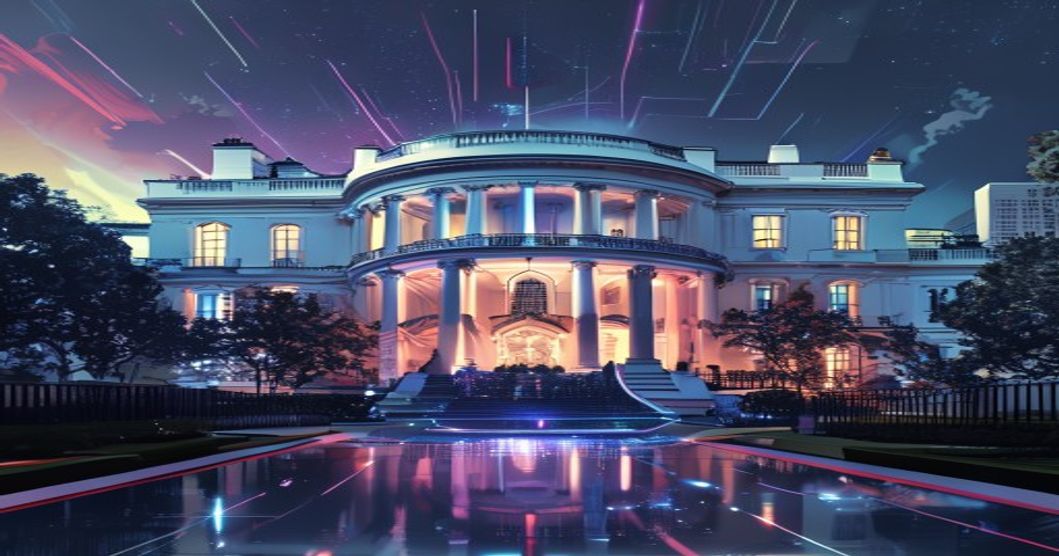
Anthropic's Vision: Safety, Ethics, and Frontier AI
Anthropic's core mission revolves around developing safe and beneficial AI, particularly focusing on what they call "Constitutional AI." This approach aims to imbue AI models with a set of principles, like those found in a constitution, to guide their behavior and prevent harmful outputs. Their efforts are not just academic; they are developing some of the most advanced large language models (LLMs) like Claude, which are capable of sophisticated reasoning, coding, and creative generation.
For a company deeply invested in the long-term societal impact of AI, collaboration with government is not just advantageous; it's essential. Governments hold the power to regulate, fund research, and shape public perception. Engaging with the White House allows Anthropic to:
* **Influence Policy:** Share their insights on AI safety, risks, and potential benefits, helping to craft informed regulations.
* **Build Trust:** Demonstrate their commitment to responsible development, crucial for public acceptance and avoiding backlash.
* **Navigate Future Challenges:** Prepare for the ethical, economic, and security challenges that advanced AI will inevitably present.
The profound changes AI promises, from revolutionizing healthcare and education to transforming economies and even human cognition, push the boundaries of what it means to be human. This burgeoning "transhumanist" landscape, where technology increasingly merges with and augments human capabilities, necessitates careful governance. Anthropic’s work, therefore, is not just about building smarter machines but about charting a safe course for humanity's technological evolution.
The Delicate Dance Between Innovation and Governance
The relationship between cutting-edge tech companies and government bodies is often complex. Innovators are driven by rapid development, disruption, and a vision of what *could be*. Governments, by contrast, operate on slower timelines, prioritize stability, public safety, and managing *what is*.
Bridging the "Weirdo" Gap: Innovators vs. Policy Makers
Historically, many of the most transformative tech leaders have been unconventional figures – think Steve Jobs, Elon Musk, or even the early days of Bill Gates. Their singular vision and often blunt communication styles can drive innovation but may not always translate effectively into the diplomatic language required for high-level government consultations.
Policy makers, while eager to harness the power of AI, also need assurances, clarity, and a sense of shared values. They are looking for partners who can articulate complex technical concepts in understandable terms, address concerns about job displacement, privacy, bias, and national security, and demonstrate a willingness to work within existing frameworks or help build new, robust ones. A perceived "weirdness" might hint at an inability or unwillingness to play by these established rules, regardless of the individual's brilliance or intent.
The decision to swap Amodei for Brown might reflect an understanding within Anthropic that effective communication and a relatable persona are as crucial as technical genius when addressing the White House. It's about translating the grand vision of frontier AI into actionable, palatable policy points.
The Stakes: Shaping the Future of AI Regulation
The discussions happening now between AI leaders and the White House are not theoretical; they are foundational. They will determine:
* **Regulatory Frameworks:** How will AI be governed? What safeguards will be put in place?
* **Ethical Guidelines:** How do we ensure AI systems are fair, transparent, and accountable?
* **National Security:** How do we protect against malicious use of AI while fostering innovation?
* **International Cooperation:** How do nations collaborate on global AI challenges and standards?
Companies like Anthropic, with their focus on safety and constitutional AI, are crucial voices in these debates. Their participation helps ensure that future regulations are informed by real-world technical capabilities and limitations, rather than abstract fears. The stakes couldn't be higher: the decisions made today will impact everything from economic competitiveness to the very fabric of society, and even the future trajectory of human civilization.
What This Means for the Future of AI and Tech-Government Relations
The replacement of Dario Amodei by Tom Brown for White House meetings, while anecdotal, serves as a powerful microcosm of the evolving relationship between the tech industry and government. It highlights:
1. **The Premium on Communication:** In an era where AI is rapidly moving from niche technology to a central pillar of global power, the ability to communicate effectively, build rapport, and present a coherent, reassuring vision to policymakers is paramount. It’s no longer enough to be brilliant; one must also be an effective diplomat.
2. **Strategic Corporate Engagement:** Tech companies are becoming increasingly sophisticated in their government relations strategies. This includes deploying specific executives who are best suited for different types of engagements – visionary founders for thought leadership, and pragmatic leaders for policy negotiation.
3. **The Maturation of the AI Industry:** As AI grows in power and influence, it's shedding some of its "wild west" image. Both governments and leading AI companies are recognizing the need for structured engagement, responsible development, and a clear path forward.
Ultimately, the goal for both sides is a future where AI's immense potential can be realized safely and ethically. This requires innovators who push the boundaries of technology, and governments that can understand, regulate, and guide that innovation responsibly. The "weirdo" cofounder incident, regardless of its underlying specifics, reminds us that bridging these two worlds requires not just groundbreaking ideas, but also the nuanced art of human connection and effective collaboration.
Conclusion
The story of Anthropic’s cofounder Dario Amodei being replaced by Tom Brown for White House meetings, reportedly due to a perceived "weirdness," offers a glimpse into the complex dynamics shaping the future of AI. It underscores the critical importance of not only cutting-edge innovation and deep ethical commitment but also the ability to navigate the delicate political landscape. As AI continues to advance at an unprecedented pace, promising transformations that could lead humanity into a new era of enhanced capabilities and challenges, the collaboration between tech leaders and government officials will be indispensable. The future of AI, and indeed the future of our society, hinges on these vital interactions, requiring a blend of visionary thinking, pragmatic diplomacy, and a shared commitment to developing responsible, beneficial artificial intelligence for all.
