AI Unlocked Governments Invisible Chains
In the rapidly evolving landscape of artificial intelligence, where innovation sprints ahead at an unprecedented pace, the relationship between groundbreaking AI developers and sovereign governments has become a complex dance of power, promise, and control. The recent news regarding Anthropic's Fable 5 and Mythos 5 AI models serves as a potent microcosm of this dynamic: governmental restrictions lifted, yes, but only after new, stringent security measures were implemented. This scenario illuminates a profound truth: AI, with its transformative potential, is simultaneously a force that can "unlock" new frontiers and, paradoxically, become subject to "invisible chains" of oversight and regulation.
This article delves into the intricate web of AI governance, national security concerns, and the delicate balance required to foster innovation while safeguarding societal interests. We'll explore how advanced AI models are not just technological marvels but also strategic assets, prompting governments worldwide to tighten their grip, often in ways that are subtle, sophisticated, and, at times, imperceptible to the public.
The Double-Edged Sword of Advanced AI
The advent of highly capable artificial intelligence models like Anthropic's Fable 5 and Mythos 5 represents a monumental leap in technological prowess. These sophisticated AI systems possess capabilities that extend far beyond mere data processing; they can generate complex narratives, analyze vast datasets for nuanced patterns, assist in critical decision-making, and even simulate human-like reasoning. Such power, while promising immense benefits across industries from healthcare to climate science, inherently carries significant risks.
The concerns are multifaceted. On one hand, there's the potential for misuse: AI-powered disinformation campaigns, autonomous weapons systems, sophisticated cyberattacks, or the erosion of privacy through advanced surveillance. On the other, there's the broader societal impact, including job displacement, algorithmic bias, and the philosophical implications of creating increasingly intelligent non-human entities. It is this duality – the boundless potential alongside the inherent peril – that places AI at the forefront of global geopolitical and regulatory discussions. Governments, acutely aware of AI's strategic implications, recognize that the unchecked development or deployment of such advanced systems could have profound consequences for national security, economic stability, and social cohesion.
When Innovation Meets National Security: The Anthropic Case Study
The narrative surrounding Anthropic, a prominent AI research company, and the lifting of restrictions by the Trump administration on its Fable 5 and Mythos 5 models, is a prime example of the ongoing negotiation between technological progress and governmental oversight. While the specifics of the original restrictions and the subsequent "strings attached" security measures remain largely proprietary, the underlying dynamic is clear: access to cutting-edge AI technology is increasingly conditional.
Governments, particularly in an era of accelerating global competition, view advanced AI as a critical component of national power. This isn't merely about preventing malicious use; it's also about ensuring strategic advantage, protecting critical infrastructure, and maintaining a competitive edge in the global economy. For companies like Anthropic, the ability to deploy their models widely can hinge on their willingness to integrate specific safeguards, comply with data access protocols, or participate in security audits mandated by state actors. This often translates into embedding "backstops" or "kill switches" into the AI's architecture, allowing for intervention in scenarios deemed a national security risk. It’s a delicate balance: AI developers push the boundaries of what’s possible, while governments attempt to draw lines in the sand, creating an intricate dance between innovation and control.
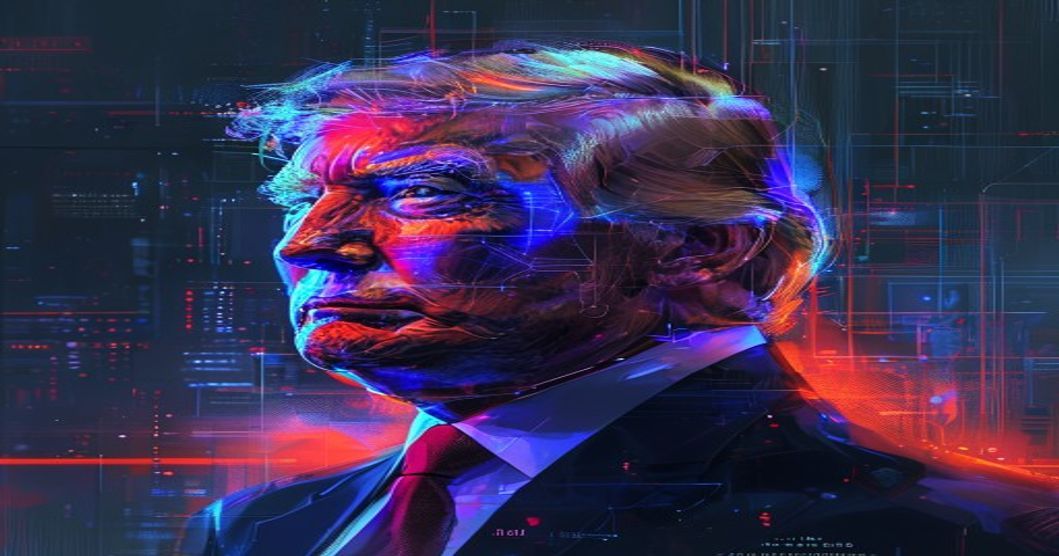
Unpacking the "Invisible Chains": What Do They Mean for AI Development?
The "invisible chains" refer to a spectrum of control mechanisms, both overt and covert, that governments are implementing or negotiating with AI developers. These aren't always explicit legal prohibitions but can manifest as subtle pressures, mandated technical specifications, or unwritten expectations that profoundly influence the trajectory of AI development.
Regulatory Frameworks and Compliance Mandates
At the forefront are traditional regulatory frameworks. Governments are increasingly drafting legislation that governs AI development, deployment, and ethical use. This includes data privacy laws (like GDPR), accountability requirements for algorithmic decision-making, and mandates for transparency in AI systems. For AI companies, compliance isn't optional; it's a prerequisite for market access and operational legitimacy. These laws act as an explicit set of chains, guiding how AI models are built and used, particularly in sensitive sectors.
Security Measures and Access Protocols
Beyond legal frameworks, the "strings attached" often involve specific technical security measures. These can range from robust cybersecurity protocols embedded within the AI itself to government-mandated auditing capabilities that allow state agencies to monitor an AI's behavior, identify potential vulnerabilities, or even control its operational parameters under certain circumstances. In extreme cases, this could imply backdoors or emergency shutdown procedures, giving governments ultimate override capabilities. This level of technical integration transforms privately developed AI into a system that can be influenced, if not directly controlled, by state interests.
Ethical Guidelines and Soft Power Influence
Often less visible are the ethical guidelines and "soft power" influences. Governments, through funding initiatives, advisory boards, and public statements, can shape the ethical parameters within which AI companies operate. This can lead to self-censorship, where developers proactively avoid certain applications or capabilities to preempt regulatory backlash or maintain a "good graces" relationship with authorities. The pressure to develop "ethical AI" or "AI for good" can subtly steer research away from areas deemed too risky or controversial from a national security perspective, thus becoming another invisible chain.
Data Control and Digital Sovereignty
A critical aspect of these invisible chains revolves around data. Governments increasingly demand assurances about data residency, access, and control, especially for AI models processing sensitive information. The concept of digital sovereignty – a nation's ability to control its digital fate – means that AI models operating within national borders may be subject to strict rules about where data is stored, who can access it, and under what conditions. This control over the lifeblood of AI development—data—is perhaps the most potent invisible chain of all, dictating the very scope and functionality of AI systems.
The Geopolitical Battleground: AI as a Tool of Power
The race for AI supremacy is undeniably a geopolitical battle. Nations recognize that leadership in AI translates directly into economic, military, and strategic advantages. This realization fuels not only massive public and private investment in AI research but also a heightened sense of protectionism and control. The "invisible chains" become tools in this global competition. By regulating access, demanding security measures, and steering development, governments aim to:
* **Protect National Interests:** Safeguard against espionage, cyber warfare, and economic disruption.
* **Maintain Strategic Autonomy:** Ensure that critical AI infrastructure and capabilities remain under national control, rather than being beholden to foreign powers or corporations.
* **Shape Global Norms:** Influence the international standards and ethical frameworks for AI, reflecting their own values and strategic priorities.
This nationalistic approach to AI, while understandable, also carries the risk of fragmenting the global AI ecosystem, hindering collaborative research, and potentially accelerating an AI arms race.
The Future Landscape: Balancing Innovation and Control
The ongoing tension between rapid AI innovation and necessary governmental control will undoubtedly define the technological landscape of the coming decades. The "invisible chains" are likely to become more sophisticated, integrating deeper into the development lifecycle of AI, from foundational research to deployment.
The Need for Transparency and Accountability
To navigate this future, transparency becomes paramount. Both governments and AI developers must work towards greater clarity regarding regulatory requirements, the nature of security measures, and the intended applications of advanced AI. Public trust in AI development can only flourish when there's a clear understanding of who controls these powerful technologies and for what purposes. Developing robust auditing mechanisms and independent oversight bodies could play a crucial role in ensuring accountability without stifling progress.
International Collaboration vs. Digital Fragmentation
The global nature of AI development necessitates international dialogue and collaboration on standards, ethics, and safety protocols. While individual nations will always prioritize their national security, a fragmented approach could lead to incompatible systems, increased risks, and missed opportunities for collective progress. Efforts to establish shared principles for AI governance could help prevent a race to the bottom in terms of safety and ethics.
The Evolving Role of Transhumanism and AI
As AI continues to advance, its intersection with transhumanism – the idea of enhancing human capabilities through technology – will also become a focal point of these discussions. If AI becomes integral to augmenting human intelligence or physical abilities, the "invisible chains" could extend to the very fabric of human existence, raising profound ethical, philosophical, and regulatory questions about who controls access to these enhancements and under what conditions. The governmental desire to control AI today might foreshadow a future where they seek to regulate the boundaries of human evolution itself.
Conclusion
The saga of Anthropic's AI models and the "strings attached" to their release is more than just a footnote in tech news; it's a stark illustration of the evolving power dynamics at play. Governments are actively, and often subtly, exerting influence over the most advanced AI developments, seeking to secure national interests and mitigate potential risks. These "invisible chains" – encompassing regulatory mandates, security protocols, ethical guidance, and data control – are shaping not just *what* AI models can do, but *how* they are developed and deployed.
As artificial intelligence unlocks unprecedented capabilities, it simultaneously reveals the complex, often hidden, mechanisms through which governments seek to manage this profound technological shift. The challenge ahead lies in striking a sustainable balance: fostering an environment where innovation can thrive for the benefit of humanity, while ensuring that the "invisible chains" are transparent, accountable, and ultimately serve to protect society, rather than merely expand governmental control. The future of AI, and indeed our society, depends on how wisely we navigate this delicate interplay of power and progress.
